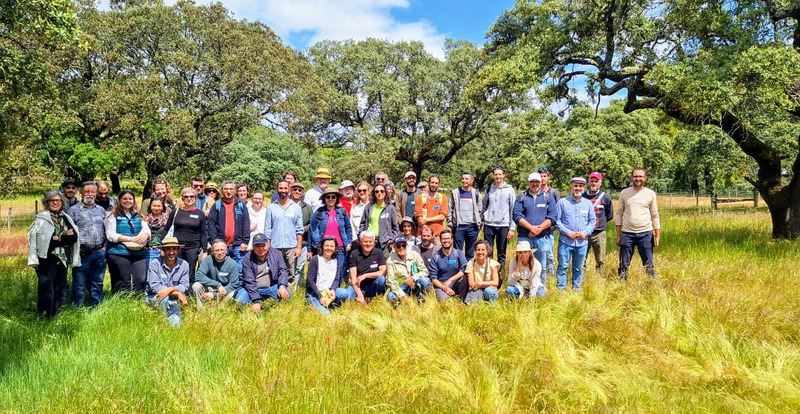
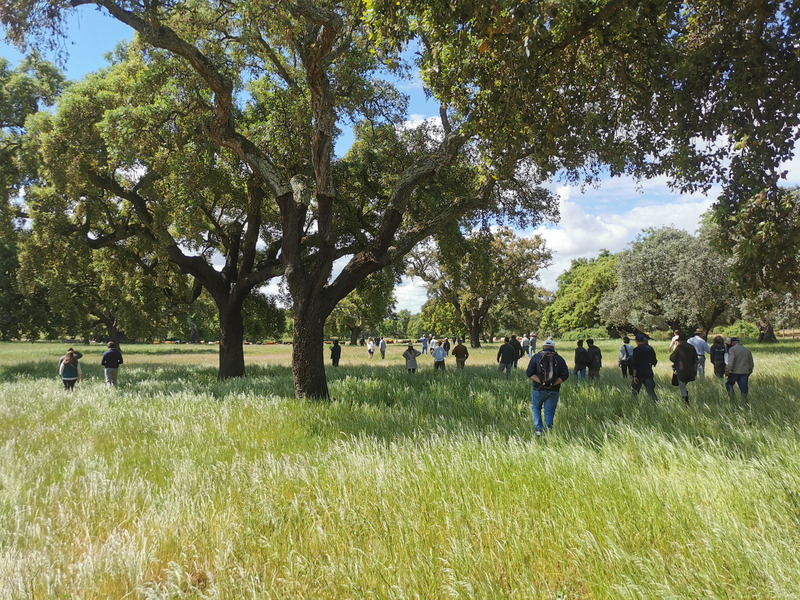
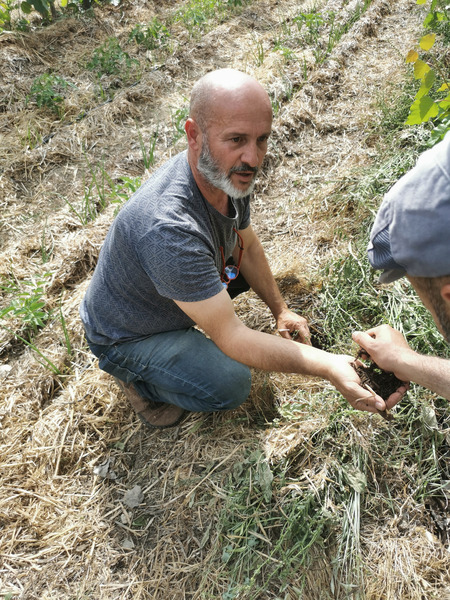
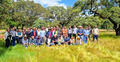
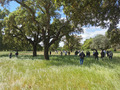
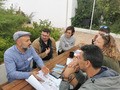
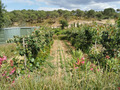
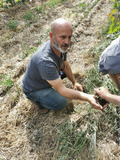
After five days of visits, on the bus back to Lisbon, the Portuguese partners could be proud of their work. The objective had been achieved: to spark curiosity and deepen the group's understanding of Mediterranean practices supporting land restoration, soil health and biodiversity improvement, promoting water retention, and enhance the overall agroecosystem resilience.
The Portuguese learning route focused on the traditional silvopastoral systems "Montado" and other innovative agroforestry systems that have demonstrated long-term ecological, social, and economic viability under Mediterranean conditions. Portugal offered a particularly relevant learning environment thanks to its extensive experience in managing multifunctional agroforestry landscapes that combine agricultural production, livestock grazing, biodiversity conservation, and ecosystem restoration.
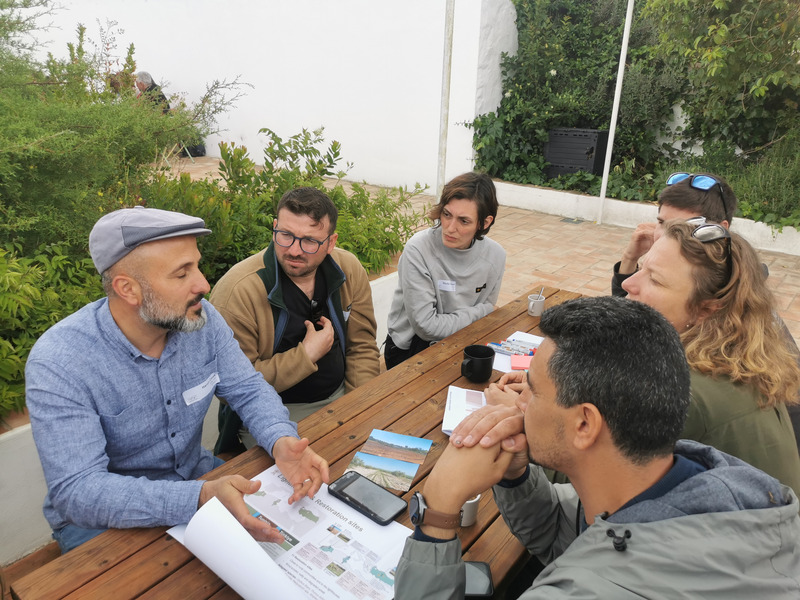
Inspired by the visits and the testimonies of the people encountered during the week, project partners had the chance to exchange views and discuss common challenges, perspectives and strategies to implement in their context. Out of a workshop with Portuguese farmers, participants identified several concepts and practices with strong potential for transfer and adaptation across Mediterranean agroforestry contexts:
- Strategic integration of livestock as agents of soil regeneration.
- Subdivision of grazing areas through paddocks and electric fencing.
- Regenerative grazing based on short-duration, high-intensity use.
- Precision management approaches to optimise productivity and profitability.
- Conservation agriculture techniques.
- Integration of multiple livestock species for complementary vegetation management.
- Water harvesting and storage infrastructure.
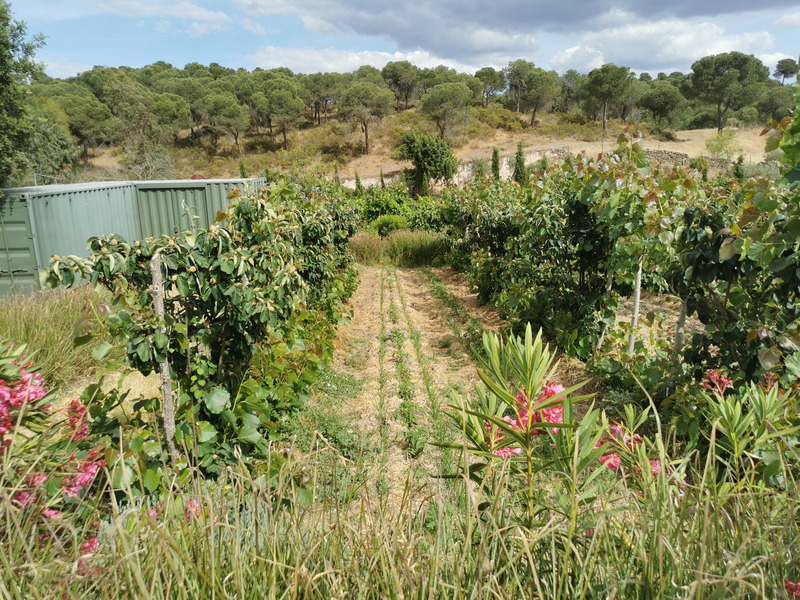
- Establishment of hedgerows to reduce wind erosion.
- Use of adapted forage species such as Sulla (Hedysarum coronarium).
- Integration of complementary tree species, including carob trees.
- Valorisation of traditional land-use planning systems.
Holding the Learning Route in a country outside the project's study areas encouraged participants to welcome novelty and listen without the bias of local assumptions Each person contributed their own knowledge, stimulating collective curiosity and emulation. Post‑visit interviews show a very strong willingness to adapt and apply observed practices: syntropic agriculture, regenerative grazing systems, and Results‑Based Management emerged as the three most influential takeaways participants plan to transfer to their countries.
Beyond techniques, the learning route fostered a network of Mediterranean scientists and practitioners committed to agroecological transition and mutual support in overcoming implementation challenges in dry contexts.
 tap and then scroll down to the Add to Home Screen command.